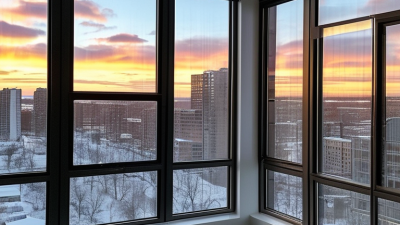
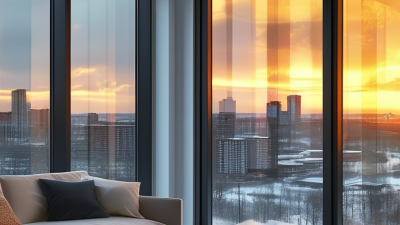
What Are the Benefits of Smart Windows for Energy Efficiency?
Smart Windows have revolutionized energy efficiency in buildings. According to Dr. Emily Carter, an expert in sustainable architecture, "Smart Windows can significantly reduce energy consumption." These innovative windows adjust their tint based on sunlight levels. This functionality allows for natural light while minimizing heat gain.
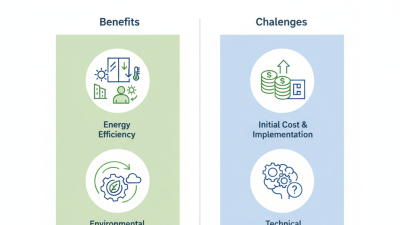
The benefits of Smart Windows extend beyond energy savings. They enhance indoor comfort and improve visual privacy. However, the initial cost can be a barrier for some homeowners. Yet, many experts argue this investment pays off over time.
Additionally, Smart Windows contribute to building sustainability. They help reduce the carbon footprint of structures. The technology is evolving, and challenges remain, such as integration costs and technology accessibility. This industry continues to grow, offering potential solutions for efficient energy use.
The Definition and Functionality of Smart Windows in Modern Buildings
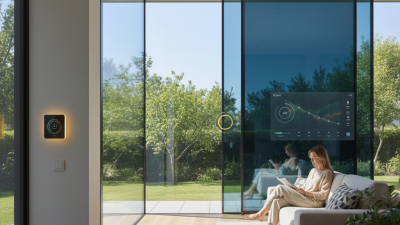
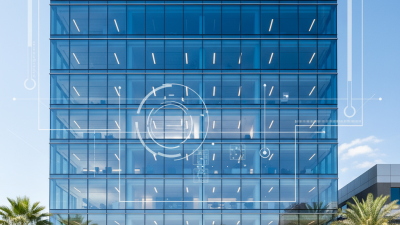
Smart windows, also known as dynamic glass, are innovative features in modern buildings. They adjust their transparency based on sunlight and temperature. This adaptability enhances energy efficiency significantly. By controlling heat and light, smart windows help maintain comfortable indoor climates. They reduce the need for air conditioning and artificial lighting, which can lead to lower energy costs.
Tips: Consider the orientation of your building. Windows facing south can benefit the most from smart glass. Regular maintenance is key. Ensure that sensors and controls are functioning properly for optimal performance.
In terms of sustainability, smart windows contribute to reducing carbon footprints. They can trap heat during cold months and reflect it in summer. This dual functionality not only saves energy but also creates a more stable living environment. However, be aware of installation costs and potential technical issues. They require skilled professionals for optimal setup and maintenance. Always evaluate long-term benefits against initial investments.
Key Technologies Driving Smart Window Development and Performance
Smart windows represent a powerful innovation in the realm of energy efficiency. These advanced windows can adjust their properties based on environmental conditions. Key technologies include electrochromic glass, which changes tint with electricity, and thermochromic glass, which responds to temperature changes. Both technologies contribute to reducing heating and cooling costs significantly.
Tips: Consider installing smart windows in areas with high sun exposure. This can greatly cut down on glare and heat.
Another interesting development is the use of nanotechnology. Nanoscale materials can enhance light management. This allows smart windows to optimize natural light while minimizing energy loss. While these technologies advance rapidly, they still face challenges in widespread adoption.
Tips: Research local incentives for energy-efficient upgrades. They can offset initial costs. Proper installation is crucial for maximizing benefits, as poorly installed windows may lead to inefficiencies.
Quantifying Energy Savings: Statistics on Smart Windows' Efficiency Gains
Smart windows are revolutionizing energy efficiency in modern buildings. According to a report by the National Renewable Energy Laboratory, smart windows can reduce energy consumption by up to 30%. This is significant, considering that buildings account for nearly 40% of total energy use in the U.S. By optimizing natural light and controlling heat gain, these windows enhance comfort and cut costs.
Several studies highlight that smart windows can lower heating and cooling costs by up to 25%. The U.S. Department of Energy indicates that transitioning to smart window technology could potentially save homeowners thousands over a decade. However, the initial investment in smart window technology might deter some property owners. Weighing long-term savings against upfront costs is crucial.
**Tips: Make sure to consider local climate conditions.** Different locations can experience varied benefits from smart window technology. **Understand the payback period.** It’s important to calculate how long it will take for savings to cover installation costs. Lastly, look for incentives or rebates in your area. Many states offer financial support to encourage energy efficiency upgrades.
Environmental Impact: Reducing Carbon Footprint with Smart Window Solutions
Smart windows offer an innovative solution to enhance energy efficiency in buildings. These windows can adjust their tint based on sunlight exposure. This capability helps maintain a comfortable indoor environment. By reducing the reliance on artificial lighting and heating, smart windows contribute significantly to energy savings.
Reducing our carbon footprint is essential in combating climate change. Smart windows can play a pivotal role in this effort. They limit heat gain during hot months, reducing air conditioning needs. Conversely, in colder months, they can retain heat, lowering heating requirements. This dual functionality leads to decreased energy consumption and lower greenhouse gas emissions.
While the benefits are clear, challenges exist. The initial costs of smart window technology can be high. It requires careful consideration of installation and maintenance costs. Integrating this technology into older buildings can pose difficulties. It's crucial to weigh these factors against the long-term savings and environmental benefits. Smart windows represent a significant step forward, but holistic planning is necessary for successful implementation.
Cost-Benefit Analysis: Initial Investment vs. Long-Term Energy Savings
When evaluating smart windows, the initial investment can seem daunting. Many homeowners hesitate due to the higher upfront costs compared to traditional windows. However, smart windows offer unique features that can significantly impact long-term energy savings. These windows adjust their tint based on sunlight, reducing the need for air conditioning and heating. They can lower energy bills, creating savings that add up over time.
For example, in hot climates, smart windows can keep interiors cooler, minimizing air conditioning use. In winter, they can retain heat, reducing heating costs. A comprehensive cost-benefit analysis highlights these savings over the years. Although the initial costs may be higher, the long-term benefits are substantial. Many who invest in smart windows report positive returns, but precise figures depend on climate and energy prices.
Calculating break-even points can be complex. Not every installation yields the same savings potential. Factors like maintenance and installation quality matter. While experiences vary, most agree that the right conditions enhance efficiency. Reflecting on these nuances is essential when considering this technology. Smart windows may be worth the investment for some, but others might find uncertainty in their return on investment.