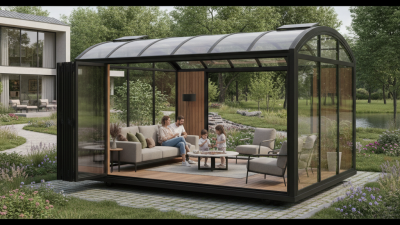
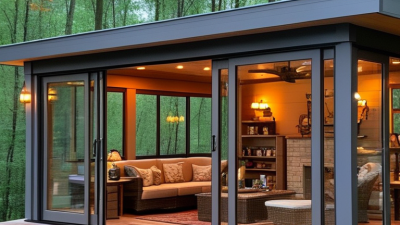
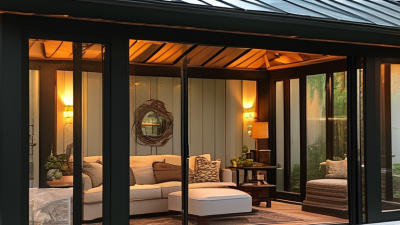
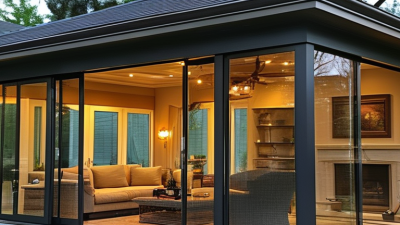
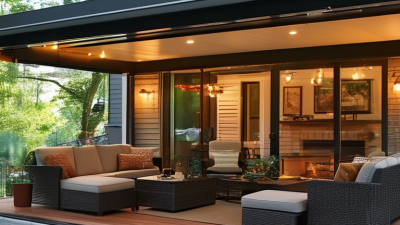
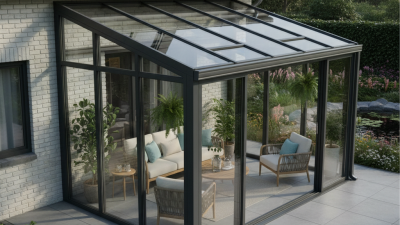
How to Choose the Best Smart Sunroom for Your Home?
Choosing the best Smart Sunroom for your home can be an overwhelming task. With various options available, understanding key features is essential. A Smart Sunroom combines modern technology with comfort and aesthetics. It offers energy efficiency and enhances your living space.
Consider factors like design, insulation, and automation. Each aspect contributes to overall usability and enjoyment. Smart Sunrooms often come equipped with climate control systems. These systems help maintain the perfect temperature year-round. A well-made Smart Sunroom can transform your home into a relaxing oasis.
However, not all Smart Sunrooms are created equal. Quality can vary significantly between manufacturers. Take time to research and gather information. Reading customer reviews can provide valuable insights. Don't ignore the importance of professional installation. This can greatly impact performance and durability. Thoughtful planning ensures that your investment in a Smart Sunroom is worthwhile.
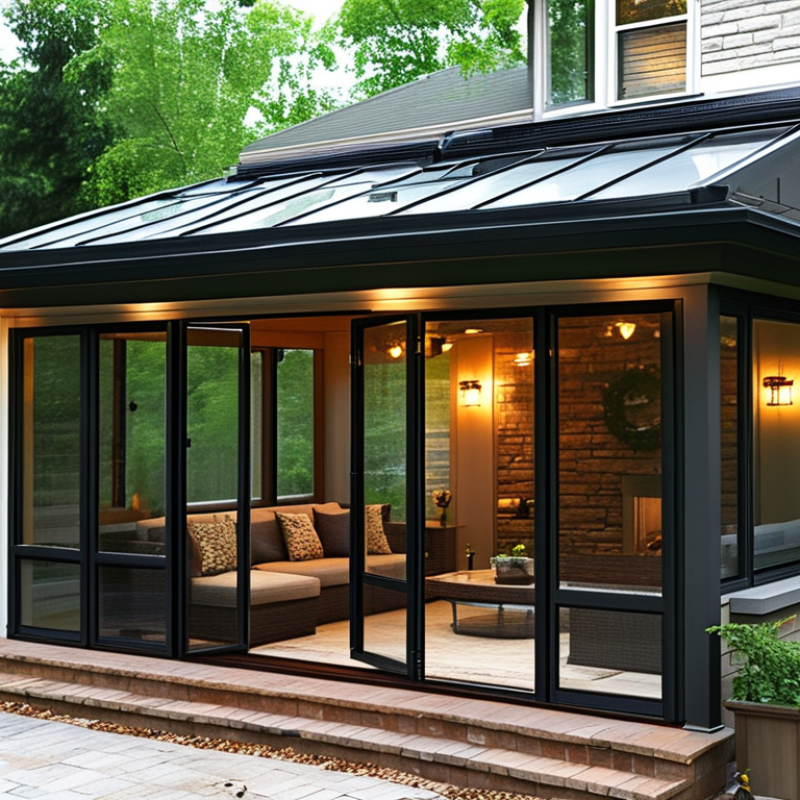
Understanding Smart Sunrooms: Features and Benefits
Smart sunrooms represent a fusion of technology and comfort. They provide an expanded living space that marries indoor and outdoor environments seamlessly. These rooms boast features such as automated climate control, energy-efficient glass, and integrated lighting systems. According to industry reports, homes with smart sunrooms can see energy savings of up to 30% annually due to their innovative design.
These sunrooms enhance home value and living quality. They create versatile spaces for relaxation, work, or entertainment. Statistical data from architectural firms indicate that homeowners may recoup 50-75% of their investment when selling a home with a well-designed sunroom. However, not all designs qualify as smart. Regular maintenance is crucial. Users must manage technology updates and system checks for optimal performance.
Understanding the benefits involves recognizing potential shortcomings. Depending on design, smart sunrooms may require higher upfront investments. Homeowners should weigh these costs against benefits. Planning permits and local regulations can add complexity to the installation process. It’s vital to consider these factors before deciding.
Evaluating Design Options for Your Smart Sunroom
When evaluating design options for a smart sunroom, consider your home's architecture and your lifestyle. A well-designed sunroom enhances your living space and contributes to energy efficiency. According to the American Institute of Architects, nearly 60% of homeowners prefer spaces that blend indoor and outdoor living. This trend influences how we think about sunroom designs.
Customization is key. Options range from glass panel configurations to integrated smart technology like temperature control. A study by the National Sunroom Association highlights that homes with modern sunrooms can see energy savings of up to 30%. However, these savings depend on how the space is used. It’s crucial to think about aspects such as heating and cooling systems, as not all designs suit every climate.
Natural light is essential in a sunroom. It can create a welcoming environment for relaxation or recreational use. However, too much sun can lead to overheating and increased energy costs. Reflective glass or automated shading solutions may help in this regard. Homeowners must acknowledge that while designing a sunroom, some solutions might not work as expected, and adjustments will be necessary after installation.
Key Technologies in Smart Sunrooms: Automation and Control
When considering a smart sunroom, focus on automation and control technologies. These features enhance comfort and energy efficiency. Automated shades, for instance, adjust to sunlight, reducing glare and heat. Smart thermostats manage temperature based on your preferences and outside conditions.
Tips for choosing the right smart sunroom include assessing your space. Consider the orientation of your home. South-facing rooms get more sunlight, while north-facing ones may be cooler. Lighting is crucial. Look for systems that allow dimming and color adjustments for different moods.
Pay attention to user-friendly controls. A central hub can streamline operation, allowing you to manage all devices from your phone. Interfaces should be intuitive and easy to navigate. Ensure compatibility with other smart home devices. This integration allows seamless control and enhances your overall experience.
Calculating Costs: Budgeting for Your Smart Sunroom
When budgeting for a smart sunroom, start by defining your financial limits. Consider construction costs, materials, and technology features. Materials like glass and insulation affect pricing. Glass can range from standard to high-efficiency options. Choosing smart technology adds additional expenses, yet it enhances functionality and energy efficiency.
Once you have a budget in mind, create a detailed list of desired features. This includes smart windows, automated shading, and climate control systems. Each feature adds to the overall cost. Prioritize essential elements over luxurious add-ons. Reflect on what you truly need vs. what looks appealing.
Consulting with professionals can shed light on potential hidden costs. Installation fees may vary widely. It's wise to request multiple estimates. This helps ensure you’re not caught off guard by unexpected expenses. Taking time to plan and research will lead to a more satisfying investment in your home.
Choosing the Right Location and Orientation for Optimal Use
Choosing the right location and orientation for your smart sunroom is crucial for maximizing its benefits. A study by the National Association of Home Builders suggests that sunlight exposure can increase mood and well-being. If you position your sunroom facing south or southwest, you'll capture sunlight for most of the day. This can significantly enhance energy efficiency and thermal comfort.
Consider environmental factors around your home. Trees or buildings may cast shadows that limit sunlight. According to the U.S. Department of Energy, even partial shade can reduce your sunroom's effectiveness by up to 50%. Choosing an unobstructed location not only optimizes light but also encourages plant growth, enhancing air quality.
Reflect on how you plan to use the space. For instance, if you desire a garden or a reading nook, quieter areas in your yard might be best. However, balancing aesthetics with functionality can be tricky. Think about how changing seasons will affect light and temperature in your sunroom. These variables can lead to periods of discomfort or wasted energy if not considered carefully.