10 Essential Tips for Choosing the Perfect Folding Door for Your Home?
Choosing the right folding door for your home can seem overwhelming. With so many options available, it's easy to feel lost. Folding doors offer both functionality and style. They can seamlessly connect indoor spaces with the outdoors, enhancing your living experience.
Understanding the available types, materials, and styles of folding doors is crucial. This helps ensure you select a door that fits your needs perfectly. Consider factors like durability and maintenance. Not all folding doors are created equal, and some may not hold up over time. A poorly chosen door can lead to regret.
Additionally, it's important to factor in your home's design. A folding door should complement your existing decor. This balance of style and function is key. By following these guidelines, you can avoid common pitfalls. Your decision will ultimately impact your home's comfort and aesthetics for years.
Understanding Different Types of Folding Doors Available for Homes
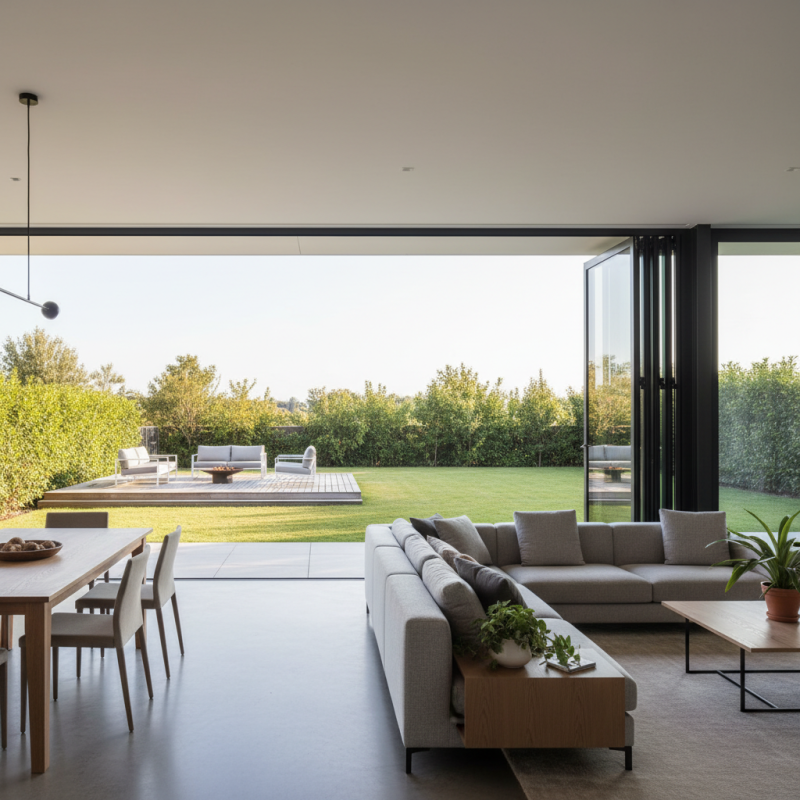
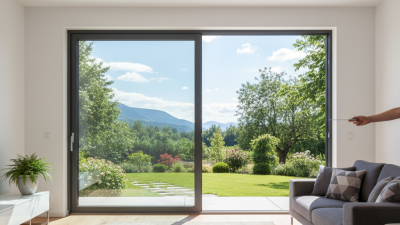
Folding doors offer flexibility and style for any home. Understanding the types available is key to making the right choice. Bi-fold doors are popular for their seamless transition between indoor and outdoor spaces. They fold neatly to the side, creating an open area that invites natural light.
Then there are multi-slide doors. They slide along a track, stacking to one side. This design is great for wider openings. These doors provide a contemporary look and maximize the view. Finally, consider accordion doors. They are ideal for smaller spaces, folding in on themselves without requiring much room.
Each type has its benefits and limitations. Bi-folds can be heavy and require a robust track system. Multi-slide doors may present challenges in installation and cost. Accordion doors might not offer the same aesthetic appeal. Evaluate your space and needs carefully. A good choice balances functionality and design. Reflect on how these options align with your lifestyle.
Folding Door Types Popularity
Key Features to Consider When Selecting Folding Doors
When selecting folding doors, several key features demand attention. The materials used, for instance, significantly influence durability and aesthetic appeal. Aluminum offers a modern vibe and strong resistance to rust. Meanwhile, wood provides warmth and a classic touch but may require more maintenance. A 2022 industry report notes that 75% of homeowners prioritize longevity in their choices.
Another crucial aspect is insulation. Energy-efficient folding doors minimize heat loss, contributing to lower energy bills. According to the Energy Efficiency Council, homes with insulated doors can save up to 30% on heating costs. Look for options with double glazing or thermally broken frames. This can enhance comfort inside your home.
Lastly, consider the door's size and configuration. Custom sizes can suit specific layouts, optimizing space and flow. However, some homeowners have faced challenges with installation. Ensuring professional help can prevent costly mistakes during this process. Verify that the opening is suitable for the selected doors to avoid frustration later. Prioritize your needs and measure carefully to achieve the best results.
Assessing Your Space: Measuring and Fit for Folding Doors
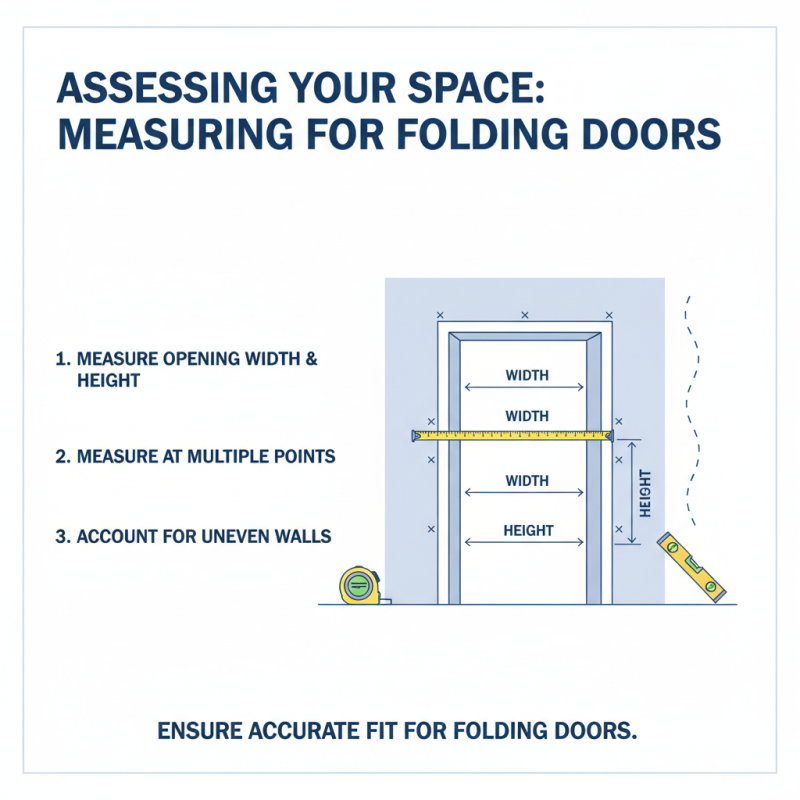
When considering folding doors for your home, assessing your space is crucial. Start by measuring the opening width and height. Make sure to measure at multiple points. Walls may not be perfectly straight or even. This ensures an accurate fit for your chosen door style.
Don't forget about clearance on the top and sides. Hinged systems need space to operate freely. Think about the floor type, too; different surfaces can affect installation. A carpet may require adjustments. Be cautious of any obstructions, like light switches or vents. These should not interfere with door movement, creating potential issues later.
Visualize how the door will function. Will it open fully, or just partially? Will it block pathways? Use tape to mark the door’s position. This simple exercise can provide clarity on functionality. Reflect on how the door will enhance your room’s beauty and flow. Balancing aesthetics with practicality is key. Remember, even with careful planning, challenges may arise. Stay flexible and open to adjustments as you proceed.
Material Choices: Wood, Vinyl, and Aluminum Folding Doors
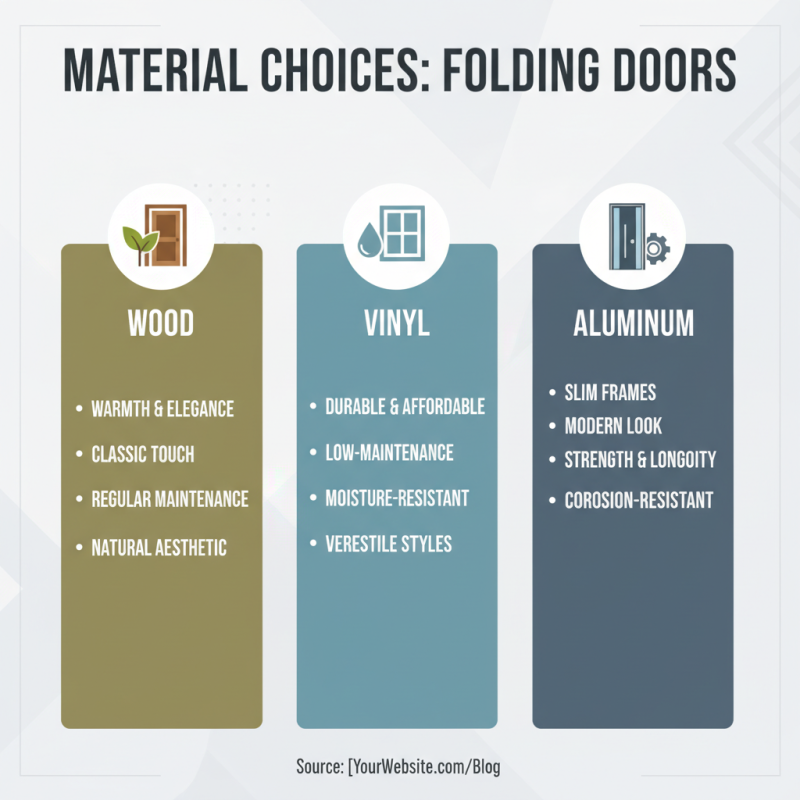
When selecting a folding door for your home, material choices play a significant role. Wood, vinyl, and aluminum each have unique characteristics that can influence your decision. Wooden doors offer warmth and elegance. They add a classic touch but require regular maintenance. The grain and finish must be chosen carefully. This can be daunting yet rewarding if you love a natural aesthetic.
Vinyl folding doors are a highly practical choice. They are low-maintenance and resistant to moisture, making them ideal for areas with high humidity. Plus, they come in various colors and styles. However, be mindful that they might lack the same warmth as wood. Aluminum doors are durable and lightweight. They can withstand harsh weather conditions. Still, they can feel cold and industrial, which may not suit every home style.
Consider these tips when making your choice. Think about the overall design of your home. The right door should complement your existing decor. Assess your climate conditions and how much maintenance you’re willing to commit to. Reflect on the functionality you need. Do you want to create a seamless indoor-outdoor flow? Your answers may help narrow down your options.
Budgeting for Your Perfect Folding Door Installation and Maintenance Costs
When budgeting for folding door installation, consider several key factors. A quality folding door typically ranges from $1,500 to $4,000, depending on materials used and design complexity. According to a recent industry report, homeowners should allocate an additional 20% for related installation costs. This often includes necessary framing adjustments and hardware upgrades. It's crucial to consult with professionals early in the process to get accurate estimates.
Maintenance is another essential budget consideration. Regular upkeep is vital to prolong the life of your folding doors. Experts recommend annual inspections to check for wear and tear. Maintenance costs can vary, but an investment of $100 to $300 annually is common. Inadequate maintenance can lead to costly repairs down the line. A survey found that nearly 30% of homeowners underestimate these ongoing costs, which can result in financial strain.
Prioritizing quality materials can also impact your budget. While opting for cheaper options might save money initially, they can lead to greater expenses later. Investing in higher-quality folding doors might seem daunting, but research shows they provide better energy efficiency and durability. This translates into long-term savings on energy bills and fewer replacements. Always weigh the upfront costs against potential future expenses.
10 Essential Tips for Choosing the Perfect Folding Door for Your Home
| Tip |
Description |
Estimated Cost ($) |
Maintenance Frequency |
| 1. Material Selection |
Choose durable materials like wood, aluminum, or vinyl. |
$1,000 - $3,000 |
Every 2-5 Years |
| 2. Size Measurements |
Ensure accurate measurements of the opening. |
$0 - $50 (Tools) |
N/A |
| 3. Energy Efficiency |
Look for energy-efficient options to save on bills. |
$1,200 - $3,500 |
Every 3-6 Months |
| 4. Style Compatibility |
Choose styles that match your home’s decor. |
$0 - $200 |
As Needed |
| 5. Installation Costs |
Factor in professional installation fees. |
$300 - $1,000 |
N/A |
| 6. Security Features |
Invest in locks and security features. |
$100 - $500 |
Annually |
| 7. Weather Resistance |
Select doors that withstand local weather conditions. |
$1,200 - $4,000 |
Every 3-5 Years |
| 8. Brand Reputation |
Choose brands with positive reviews. |
$0 - $100 (Research) |
N/A |
| 9. Additional Features |
Consider options like built-in blinds or screens. |
$300 - $1,200 |
As Needed |
| 10. Warranties and Guarantees |
Review warranty policies for peace of mind. |
$0 - $300 |
N/A |