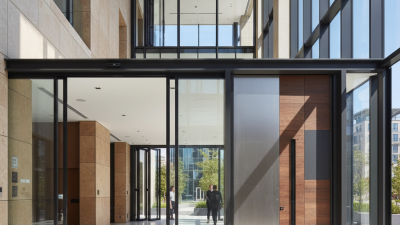
Choosing the right Sunshade Awning is more practical than simply selecting an attractive fabric. The best option must fit your space, climate, budget, and daily habits. A small balcony needs different protection from a wide restaurant terrace. Wind exposure, sunlight direction, wall strength, and drainage also matter.
Michael Gerling, a longtime sun-protection industry executive, offers a useful principle: “Effective shade starts with the user, not the product.” That idea should guide every decision. Watch how sunlight moves across the area during morning and afternoon hours. Notice where people sit, where glare appears, and whether rain protection is also necessary. These details often reveal more than a showroom display.
Material selection deserves careful attention. Acrylic fabrics usually provide strong color retention and reliable outdoor performance. Aluminum frames can resist corrosion, but their finish and connection points still require inspection. Motorized systems add convenience, especially for large awnings, although they may need professional installation and future maintenance. Manual models remain dependable and easier to repair.
No choice is perfect.
A larger canopy may improve comfort while increasing wind resistance. A darker fabric can reduce glare, yet it may absorb more heat. A cheaper frame may look suitable but weaken sooner under repeated stress. These trade-offs deserve honest consideration. Measure twice, check local weather patterns, and ask qualified installers about anchoring requirements. This guide explains the main factors clearly, helping you choose a Sunshade Awning that performs reliably rather than merely looking impressive on delivery day.
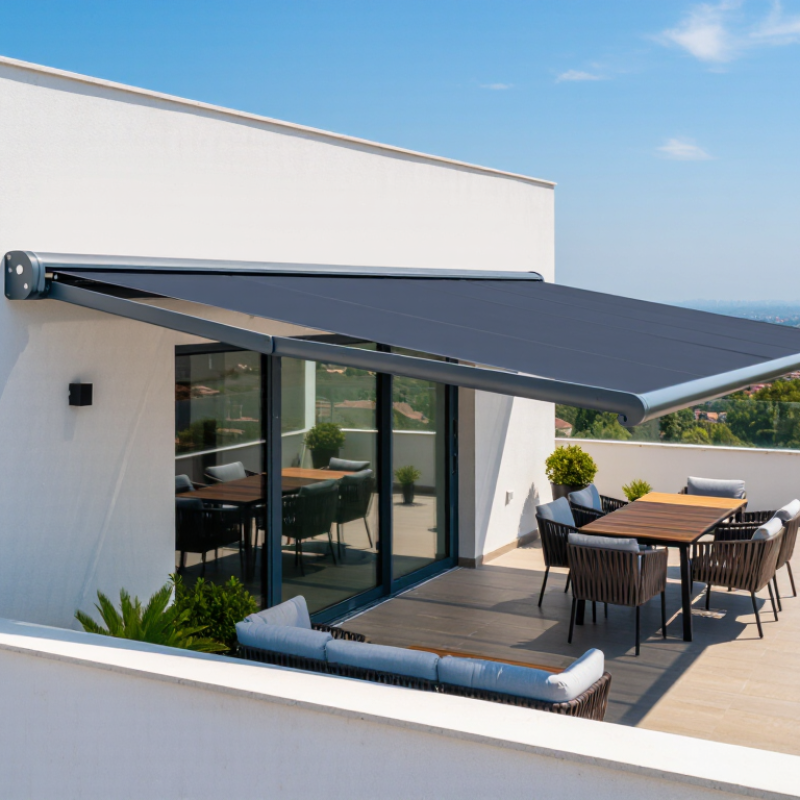
Begin with the space, not the fabric color. Measure window width, projection depth, mounting height, and nearby obstructions. Note how shadows move across the glass from morning to late afternoon. A common field mistake is measuring only the window. Walls, gutters, doors, and outdoor lights can limit the awning’s real projection. Leave clearance for opening paths, drainage, and safe maintenance. Real sites are rarely perfect.
Climate changes the specification. Check local wind exposure, rainfall, snow risk, and seasonal sun angles before selecting a frame. NOAA’s 1991–2020 Climate Normals provide useful local temperature and precipitation patterns. For stronger verification, consult current structural requirements and a qualified installer. A neat estimate can still be wrong. In coastal or elevated locations, corrosion resistance and secure anchoring deserve extra attention.
Then match performance to your sunshade requirements. Do you need cooler rooms, glare control, privacy, or protection for outdoor furniture? The U.S. Department of Energy reports that awnings can reduce solar heat gain by up to 65% on south-facing windows and 77% on west-facing windows, depending on conditions. These figures are not guarantees. Glass type, orientation, fabric openness, and installation quality matter. The UNEP GlobalABC 2022 Global Status Report states that buildings used 34% of global energy in 2021. A well-positioned awning can support passive cooling, but only when its size and operation fit the actual space.
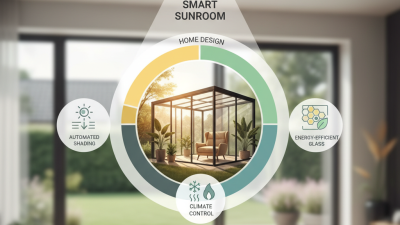
Awning choice begins with exposure, not color. Fixed awnings suit permanent shade and stronger wind conditions. Retractable models offer flexibility for changing weather. Drop-arm designs work well beside narrow windows. Measure the window, wall clearance, projection, and mounting height carefully. A useful field rule is simple: wider projection creates deeper shade, but it also increases structural loads.
Material decisions affect comfort and service life. Solution-dyed acrylic resists fading and dries relatively quickly. Polyester usually costs less, but may stretch or weaken sooner under intense sunlight. PVC-coated fabrics handle moisture well, though they can feel less breathable. Aluminum frames resist corrosion and require little maintenance. Steel can provide greater rigidity, but needs reliable protective coating. Check seams, drainage paths, fasteners, and wall anchors. Small details matter.
According to the U.S. Department of Energy’s Energy Saver guidance, window awnings can reduce summer solar heat gain by up to 65% on south-facing windows and 77% on west-facing windows. Direction changes everything. The National Fenestration Rating Council explains solar heat gain coefficient on a 0-to-1 scale; lower values generally indicate less solar heat entering through glazing. Still, awning performance depends on fabric openness, projection, glass type, and installation quality. A small confession: attractive fabric can hide weak brackets. Ask for wind-load testing, preferably referencing ASTM E330/E330M. Weather is rarely polite.
Measure the area before choosing a sunshade awning. Record the wall width, window height, and desired projection. A useful awning should shade the glass, frame, and nearby seating area. Do not measure only the window. Afternoon sunlight often enters from a lower angle. Allow extra coverage where space permits.
Size matters, but mounting position matters just as much. Check whether the wall contains strong structural support. Brick, concrete, and timber may require different anchors and installation methods. A soffit mount can work well under a solid overhang, while posts may suit open patios. Keep doors, lights, gutters, and vents clear. Leave enough headroom for safe movement. Small details matter.
I once underestimated the projection on a narrow patio. The shade covered the window, but not the chairs. That mistake changed my measuring process. I now mark the expected shadow area with tape before ordering. This simple test reveals awkward gaps. It also exposes clearance problems. Consider the awning’s slope, fabric tension, and local wind conditions. Rainwater needs a controlled path away from entrances. Follow the installation instructions and confirm load requirements with a qualified professional when the structure is uncertain. Some choices still involve compromise. Wider coverage can mean greater wall stress. A compact design may provide easier operation but less shade.
Choosing a sunshade awning involves more than fabric color and coverage. Evaluate how it operates daily. Manual systems suit small windows, while motorized models help with wide patios or frequent adjustments. Test the handle, remote, or control switch before installation. Movement should feel smooth, quiet, and predictable.
Maintenance affects long-term reliability. Choose fabric that can be brushed clean and inspected without special equipment. Check seams, hinges, brackets, and drainage points several times each season. Remove leaves quickly, especially after rain. Trapped moisture can encourage mildew and weaken stitching. Keep it clean.
Durability depends on climate, frame construction, fabric quality, and installation accuracy. Ask for tested wind and load information, not vague claims. Secure brackets must match the wall structure, not just its surface finish. Safety matters around children and pets, so protect moving joints and keep cords out of reach. Never leave the awning extended during severe weather unless its rated design permits it.
I once underestimated how quickly a loose fastener could create noise and fabric stress. That mistake changed my inspection routine. Still, no awning is maintenance-free. Consider replacement parts, service access, and clear operating instructions before choosing. A slightly simpler system may prove safer and easier to maintain. Small faults spread.
Choosing the right sunshade awning begins with a realistic budget, not the fabric color. Measure the patio, wall width, and projection before comparing prices. Include brackets, fixings, delivery, maintenance, and possible electrical work. A low-cost awning may seem attractive, but weak hardware can create expensive repairs later.
Installation method matters just as much. A brick wall usually needs different anchors than rendered surfaces or timber framing. Check the wall’s strength, drainage, and nearby windows before drilling. For larger retractable awnings, professional installation is often safer and more accurate. Experienced installers can assess wind exposure and mounting height. I once underestimated afternoon wind on a small terrace. The awning needed stronger supports than expected. That mistake changed my approach.
Tips: Leave room for fabric movement. Confirm the full open projection. Ask for written installation details. Check local building requirements. Do not rely on appearance alone.
Manual systems can reduce the initial cost, while motorized options offer easier daily use. However, motors may require power access and qualified electrical work. Think about how often you will adjust the shade. A fixed awning suits stable coverage, while a retractable model provides more flexibility during changing weather. Keep a small reserve in your budget, because hidden conditions often appear after installation begins. Check the warranty terms, cleaning instructions, and replacement-part availability before paying. A careful choice should fit both the space and the person using it.