Top Sliding Door Tips for Efficient Space Management?
In today’s fast-paced living spaces, the importance of efficiency cannot be overstated. A report by the American Institute of Architects reveals that well-designed sliding doors can enhance space utilization by up to 30%. These doors not only save space but also improve the flow of natural light, creating a more inviting atmosphere. However, choosing the right sliding door is essential for maximizing their potential.
Many homeowners overlook the role of sliding doors in design. An inefficient choice can lead to wasted space and lower functionality. For example, poorly installed sliding doors can obstruct pathways or disrupt room balance. According to a 2022 survey by Home Design Magazine, nearly 40% of homeowners regret their sliding door selection, primarily due to size and installation issues. Therefore, understanding the impact of sliding doors is crucial for any renovation project.
Incorporating sliding doors into an interior layout offers flexibility. They can connect indoor and outdoor spaces seamlessly, enriching the user's experience. However, it is vital to consider factors like track placement, material, and height. Each decision influences aesthetics and functionality. This approach leads to a more thoughtful design that resonates with convenience and visual appeal.
Benefits of Sliding Doors for Space Optimization
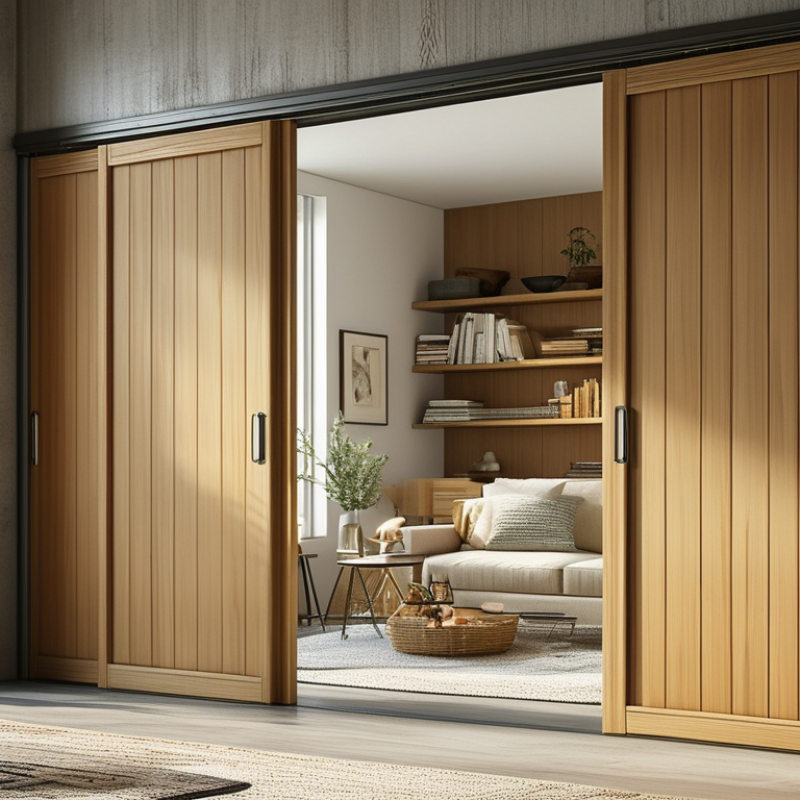
Sliding doors are becoming a favorite choice for modern homes. They can significantly optimize space while enhancing functionality. According to a study from the American Institute of Architects, sliding doors can help homeowners save up to 15% on interior space usage. This is particularly beneficial in compact living areas where every square foot matters.
One key advantage of sliding doors is their seamless integration into any space. Unlike traditional doors, which swing open, sliding doors glide along tracks. This design eliminates the need for extra clearance, freeing up valuable floor space. Homes with limited room often benefit from this feature. However, proper installation is essential to avoid issues like misalignment or jamming, which can lead to frustration and reduced use.
Moreover, sliding doors provide natural light, enhancing the overall ambiance of a room. A report from the U.S. Green Building Council reveals that well-lit spaces can improve mood and productivity by up to 20%. However, homeowners need to balance this with concerns about privacy and energy efficiency. While glass options bring in light, they can also create temperature fluctuations. Consider using layered window treatments to address these challenges while maintaining visual appeal.
Choosing the Right Location for Sliding Doors
Choosing the right location for sliding doors can significantly enhance the functionality of a space. Consider areas where you can maximize flow. Avoid placing sliding doors in cramped or cluttered hallways. Instead, choose an open space where they can seamlessly connect rooms. This setup encourages movement and light.
Tight spaces can lead to frustration. Ensure that the sliding door doesn't block pathways or create obstacles. Proper spacing helps in achieving a smooth transition. You might feel tempted to install a door in an unconventional spot. But think twice—it could complicate the layout.
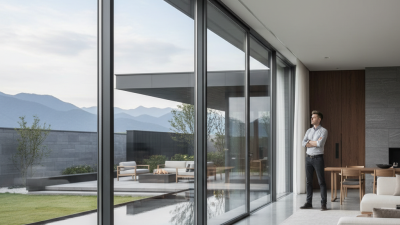
One common tip is to let natural light lead the way. Install sliding doors where they can enhance natural illumination. They can create a bright atmosphere while also offering beautiful views. Ensure easy access to the outdoors, promoting a feeling of openness. Remember that every space has its quirks. Reflect on how different locations can affect your daily routine. Each choice might bring benefits but could also introduce challenges.
Installation Tips for Seamless Sliding Door Functionality
When installing sliding doors, attention to detail is crucial for optimal functionality. Start by measuring the opening accurately. A miscalculation can lead to fitting issues. Don’t rush this step; it’s essential for smooth operation. Ensure the track is level. A slight tilt can cause the doors to jam or slide unevenly.
Use quality materials for the frame and track. Cheaper options may seem appealing but can lead to future problems. Install the door hardware correctly. Missing screws or loose fittings can compromise the door’s movement. A reliable installation process means checking every component thoroughly.
Sometimes, it’s tempting to DIY, but this can lead to mistakes. If you’re unsure, consider consulting a professional. They can offer insights and identify potential issues you might miss. Regular maintenance of the sliding door is also vital. This includes cleaning tracks and lubricating hinges. Overall, clear attention to these details will enhance the functionality of your sliding doors, creating a seamless living space.
Top Sliding Door Tips for Efficient Space Management
| Tip Category |
Tips |
Benefits |
| Installation |
Ensure track is level and aligned |
Prevents door from sticking or jumping off track |
| Space Optimization |
Use pocket sliding doors when possible |
Maximizes utility of wall space while allowing access |
| Maintenance |
Regularly clean tracks and rollers |
Ensures smooth operation and longevity |
| Security |
Install secure locking mechanisms |
Enhances safety and peace of mind |
| Aesthetics |
Choose sliding doors with glass for natural light |
Creates a spacious and inviting atmosphere |
Maintenance Practices for Long-lasting Sliding Doors
Sliding doors are a versatile solution for maximizing space while maintaining a stylish aesthetic. However, their longevity greatly depends on proper maintenance practices. A report from the American Society of Home Inspectors reveals that poorly maintained sliding doors can lead to significant functional issues. Regular upkeep not only extends the life of these doors but also enhances their operational efficiency.
One key tip for maintaining sliding doors is to clean the tracks regularly. Dirt and debris can hinder movement, causing strain on the wheels. A simple cleaning with a vacuum and a damp cloth can make a significant difference. Another important aspect is checking the rollers, which should be lubricated to ensure smooth operation. Regularly inspecting and replacing worn-out rollers can prevent costly repairs down the line.
Additionally, it’s crucial to check the alignment of the doors. Misalignment can lead to gaps, affecting insulation and security. According to the National Glass Association, proper alignment improves energy efficiency by up to 10%. Addressing these minor issues can prevent them from escalating, allowing for safe and efficient use of your sliding doors. Taking these steps may require effort, yet the benefits of improved durability and functionality are well worth it.
Top Sliding Door Maintenance Practices
Design Ideas to Enhance Aesthetics and Space Efficiency
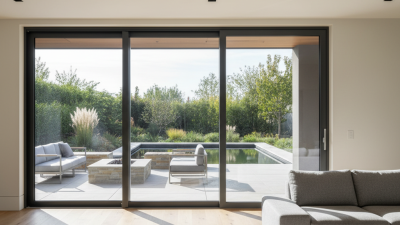
Sliding doors are a brilliant way to optimize space in any room. They create a seamless transition between indoor and outdoor spaces. Additionally, sliding doors can amplify natural light, making areas appear larger. Consider using frosted or patterned glass to add a touch of elegance. The right design can transform a room from ordinary to extraordinary.
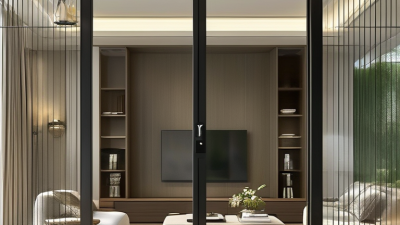
Integrating sliding doors with built-in shelving adds functionality. It minimizes clutter while enhancing the aesthetic appeal. Hooks or racks can be added to the door’s frame for extra storage. This helps in utilizing every available inch effectively. The challenge, however, is ensuring that the design complements existing decor. A mismatch can make a space feel disjointed.
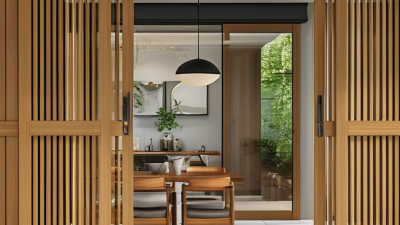
Framing the sliding door with natural materials can harmonize the space. Wooden finishes can introduce warmth and texture. Yet, remember that maintenance is essential. Over time, wear and tear might require attention. Reflecting on these aspects encourages a more thoughtful design process. Consider how each element contributes to the overall vibe of the area.