Leave Your Message

Top Mobile Sunroom Suppliers for Global Buyers?

Choosing the right Mobile Sunroom supplier requires more than comparing attractive photographs and advertised prices. Global buyers must examine materials, engineering records, delivery experience, and after-sales support. A polished brochure cannot reveal poor drainage design or weak installation guidance.

Building-envelope consultant Dr. Elena Maric offers a practical warning: “A reliable Mobile Sunroom begins with documented performance, not glossy photographs.” Her view reflects an important buying reality. Suppliers should provide thermal values, frame specifications, glass options, wind ratings, snow-load data, and maintenance instructions. Buyers should also request recent project references. A completed unit in coastal Spain may not suit a snowy Canadian property.

Details matter. Check whether panels arrive protected from moisture. Confirm whether anchors fit the intended foundation. Ask who handles customs paperwork, replacement parts, and local assembly. Clear answers usually indicate stronger operational experience. Vague promises deserve caution.

No supplier is perfect. Delivery delays happen. Installation assumptions can also fail. That is why contracts should define inspection procedures, warranty coverage, tolerances, and response times. Independent certification adds confidence, but it does not replace careful site assessment.

This guide compares leading Mobile Sunroom suppliers for global buyers. It considers product quality, customization, logistics, technical communication, and long-term service. The strongest companies do not simply sell an enclosed outdoor room. They help buyers manage climate, transport, installation, and daily use.

Some claims may still require verification. That is worth admitting. Buyers should confirm every specification before payment. A dependable purchase is built through evidence, not excitement.
Top Mobile Sunroom Suppliers for Global Buyers?

What Is a Mobile Sunroom and How Does It Work?

Top Mobile Sunroom Suppliers for Global Buyers?

What Is a Mobile Sunroom and How Does It Work?

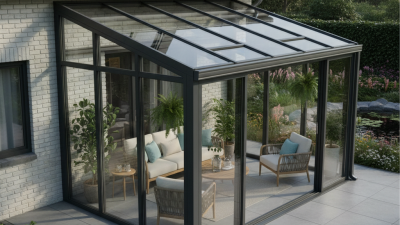
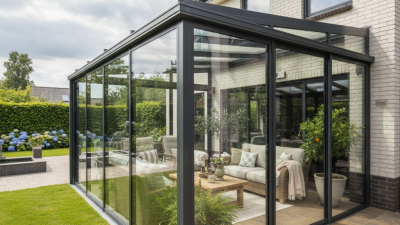
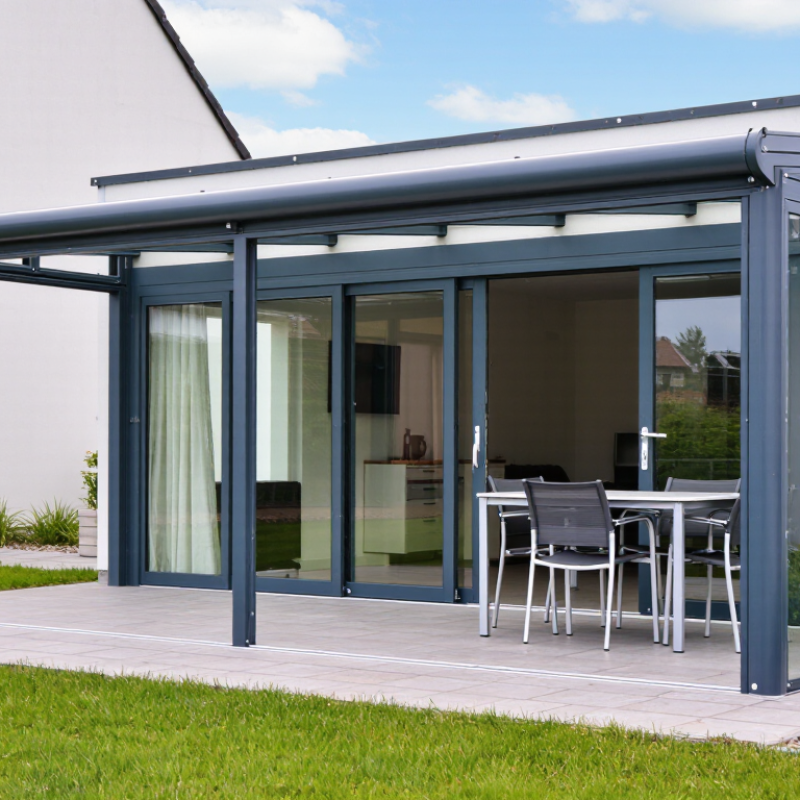
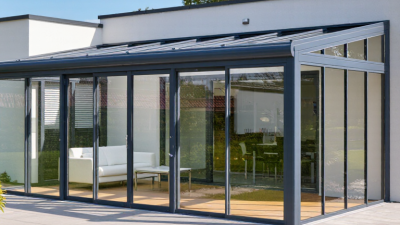
A mobile sunroom is a prefabricated glazed room designed for relocation. It usually combines an aluminum or steel frame, insulated panels, and tempered glass or polycarbonate sheets. Some models use wheels, skids, or detachable foundations. Others are only relocatable with lifting equipment. The word “mobile” can mislead.

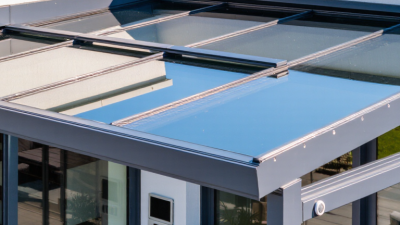
A typical unit arrives in factory-made sections. Installers level the base, connect the frame, seal the glazing, and test drainage. Sliding doors provide access, while roof vents or operable windows release trapped heat. In hot climates, exterior shading matters more than extra glass. In cold regions, low-emissivity glazing and insulated floors become more important. Poor sealing remains a common weakness.

Energy performance deserves careful attention. The 2023 Global Status Report for Buildings and Construction, published by UNEP, states that buildings consume about 30% of global final energy and produce roughly 26% of energy-related emissions. A sunroom can reduce daytime lighting demand, but uncontrolled solar heat may increase cooling loads. Supplier specifications should therefore include U-values, solar heat-gain data, wind ratings, drainage details, and replacement-part availability. There is no universal global mobile-sunroom standard, so buyers must verify local structural, electrical, and planning requirements. A cheaper unit may look efficient on paper, yet perform poorly after one wet season.
Top Mobile Sunroom Suppliers for Global Buyers? - What Is a Mobile Sunroom and How Does It Work?

A mobile sunroom is a relocatable glazed structure built from modular frames, transparent panels, doors, and a base or anchoring system. Depending on the design, it can be moved seasonally, repositioned within a property, or dismantled for transport. The representative footprints below are calculated from common nominal module sizes used for portable outdoor rooms.

Key Features to Compare Among Global Mobile Sunroom Suppliers

When comparing mobile sunroom suppliers for global projects, examine more than appearance. Check the frame material, panel thickness, insulation value, and roof drainage design. A well-built unit should resist wind, rain, and repeated movement. Ask for documented load tests and material specifications. Photos alone are not enough.

Mobility also needs careful review. Compare wheel systems, locking points, leveling feet, and setup time. Confirm whether the structure arrives assembled or flat-packed. Shipping dimensions can affect freight costs dramatically. Check warranty terms, replacement-part access, and technical support across time zones. A low quote may look attractive, but weak after-sales service can create expensive delays. I have also found that published installation times are sometimes optimistic. Site conditions change the result.

Tips: Request a sample specification sheet. Measure your access route. Ask about corrosion protection. Confirm local installation requirements before ordering. Compare total delivered cost, not only the factory price. Suppliers should explain their limitations clearly. No supplier is perfect, and unclear answers deserve careful reflection.

Top Mobile Sunroom Suppliers for Global Buyers? - Key Features to Compare Among Global Mobile Sunroom Suppliers
Comparison Dimension Seasonal Lightweight Supplier Insulated Modular Supplier Engineered Four-Season Supplier Key Evidence for Global Buyers
Primary use Spring-to-autumn leisure space, garden room or event shelter Extended-season living, dining or workspace Year-round residential or commercial use, subject to local approval Product application guide and completed-project references
Mobility method Foldable or demountable panels; usually moved manually after disassembly Bolted modular sections designed for relocation with lifting equipment Engineered modules or trailer-compatible units with defined transport points Transport drawings, packed dimensions, gross weight and lifting instructions
Typical frame material Powder-coated aluminium or galvanized light-gauge steel Thermally broken aluminium or protected galvanized steel Engineered aluminium or galvanized structural steel with corrosion protection Material grade, coating specification, corrosion test information and section drawings
Glazing options Single glass, acrylic or polycarbonate panels Double glazing or multiwall polycarbonate, depending on climate Double or triple insulating glass with low-emissivity coatings where specified Glazing thickness, U-value, solar factor, safety rating and replacement availability
Thermal performance Limited insulation; mainly dependent on ventilation and seasonal weather Insulated wall, roof and floor assemblies are commonly available Project-specific thermal calculations and continuous insulation options Declared U-values, condensation-control details and local energy-code compliance
Wind resistance Suitable only for the wind limit stated by the supplier; anchoring is essential Higher resistance may be available with reinforced frames and engineered anchors Site-specific structural design for local wind speed and exposure category Test reports or calculations showing design wind pressure and anchoring requirements
Snow-load capability Often limited; snow must be removed according to the operating manual Moderate to high capacity may be configured for regional conditions Engineered roof loads based on the applicable building code and site data Declared uniform snow load, drift-load assumptions and structural calculations
Foundation requirement Level compacted ground, deck or removable base, depending on design Piers, screw piles, concrete pads or other approved support systems Site-specific foundation design, especially for permanent occupancy Foundation loads, base-plan drawings, allowable tolerances and installation scope
Roof configurations Flat, lean-to, arched or lightweight pitched roof Pitched, gabled or insulated panel roof with integrated drainage Code-designed pitched or bespoke roof with gutters, flashing and weather seals Roof pitch, drainage design, waterproofing details and maintenance requirements
Ventilation and shading Manual vents, zip screens or external shades Operable windows, roof vents, blinds and optional mechanical ventilation Integrated ventilation, solar-control glazing and climate-control compatibility Airflow calculations, overheating strategy and compatible HVAC specifications
Electrical integration Usually supplied without fixed wiring; portable connections may be used Prewired options may include lighting, sockets and consumer-unit preparation Full electrical design coordinated with local regulations and utility requirements Wiring diagrams, component certifications and installer responsibilities
Regulatory documentation Basic assembly manual and product safety information Technical drawings, material declarations and selected test documentation Structural calculations, energy documentation and permit-support package Country-specific conformity documents, code references and professional-engineer review where required
Indicative production lead time Often several weeks for standard configurations Commonly several weeks to a few months, depending on customization Several months is common when engineering, permits and custom fabrication are included Written production schedule, approval milestones, shipping date and delay provisions
International logistics Compact packaging; lower container volume is generally easier to manage Flat-pack or sectional shipping with more complex unloading requirements May require specialized transport, permits, cranes or local assembly partners Incoterms, packaging list, HS classification, insurance and unloading equipment requirements
Warranty structure Separate coverage may apply to frame, fabric, panels and hardware Product warranty commonly differs from glazing, coating and electrical warranties Longer, component-specific warranty terms may be available with installation conditions Warranty period, exclusions, geographic validity, claim procedure and spare-parts policy
Best-fit buyer priority Low initial cost, quick assembly and seasonal flexibility Balance of mobility, comfort, durability and installation simplicity Compliance, long-term performance, customization and professional support Match the specification to climate, planning rules, intended occupancy and total landed cost

Note: Performance limits, approvals, delivery times and warranty terms vary by configuration, destination country, climate zone and applicable building regulations. Buyers should request project-specific technical documents before placing an order.

Leading Mobile Sunroom Suppliers and Their Regional Strengths

Top mobile sunroom suppliers increasingly compete through regional strengths, not factory price alone. Grand View Research valued the global modular construction market at approximately $91.36 billion in 2023, with strong growth expected through 2030. This trend supports demand for transportable, factory-built sunrooms with shorter installation times.

Asian suppliers often provide broad customization, efficient aluminum fabrication, and competitive volume pricing. Their factories may offer folding panels, insulated roofs, and compact packaging for international shipping. European suppliers usually emphasize thermal performance, weather resistance, and careful detailing for colder climates.

These priorities matter because the International Energy Agency reports that buildings consume about 30% of global final energy. A poorly insulated sunroom can quickly become an uncomfortable glass box.

North American suppliers commonly compete through local measurement, installation networks, and after-sales support. That regional service can reduce fitting errors, especially for uneven patios or older homes. It also helps buyers manage permits and site-specific wind requirements. Still, no region is universally best. A lower quotation may exclude delivery, foundation work, drainage, or replacement panels. I would request thermal values, wind-load evidence, warranty terms, and installation photographs before ordering. Some online specifications remain vague. That is a warning, not a minor inconvenience.

How to Evaluate Quality, Safety, and Customization Options

When comparing mobile sunroom suppliers, quality begins with evidence, not attractive photographs. Request material specifications for the frame, glazing, roof panels, seals, wheels, and locking hardware. Aluminum should resist corrosion, while glass or polycarbonate panels need suitable impact and thermal performance. Ask for test reports, production records, and clear warranty terms. A sample unit can reveal loose joints, uneven doors, poor drainage, or rough finishing.

Safety depends on the complete structure. Check anchoring methods, wheel locks, wind resistance, snow-load guidance, ventilation, and emergency access. Electrical components should include recognized safety documentation and installation instructions. Global buyers must confirm local building, electrical, fire, and accessibility requirements with qualified professionals. Supplier claims are useful, but independent verification is safer. A polished catalog proves little.

Customization should solve practical problems, not merely add decoration. Discuss exact dimensions, roof pitch, glazing type, insulation, shading, door positions, floor transitions, and climate exposure. Ask whether replacement panels and hardware remain available after delivery. Communication matters too; technical drawings should show tolerances, drainage paths, and assembly steps. I would not accept vague answers about installation. No inspection is perfect. Even experienced buyers can overlook condensation, difficult cleaning, or transport damage. A reliable supplier welcomes detailed questions, documents changes, and explains limitations before payment.

What Global Buyers Should Know About Pricing, Shipping, and Installation

For global buyers, mobile sunroom pricing depends on more than the frame and glass. Size, insulation, glazing type, flooring, and ventilation can change the quote quickly. Ask suppliers for a line-item estimate, not one attractive total. Confirm whether accessories, packaging, export documents, and local taxes are included. A low price may hide weak insulation or expensive replacement parts. That mistake is easy to make.

Shipping requires careful planning. Request the packed dimensions, gross weight, loading method, and estimated transit time. A compact unit may still need a forklift or crane at the destination. Check the delivery terms, because responsibility can change between the port and your property. Customs duties and local building requirements also vary by country. Reliable suppliers should provide drawings, material specifications, and clear answers in writing.

Tips: Measure driveway width, gate height, and installation clearance before ordering. Share photos of the site. Ask for spare seals and hardware. Confirm who handles assembly and damage claims. Installation is rarely just “unpacking.” Uneven ground, wind exposure, drainage, and electrical connections can affect the final result. A local contractor may be safer than remote instructions, but coordination can cost more than expected. I would also request a sample finish or video inspection before payment. It feels cautious, yet colors and surface quality can look different on a screen. Supplier references help, although even references deserve independent checking.