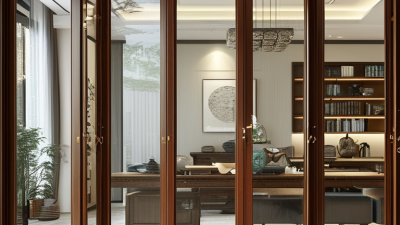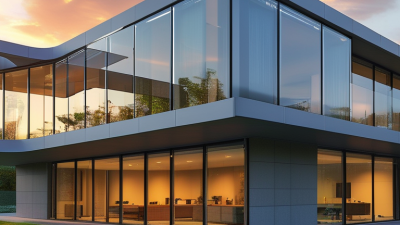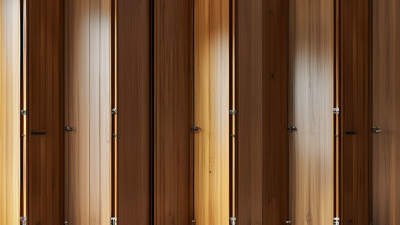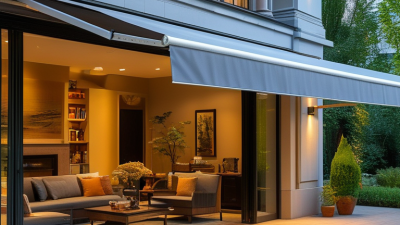
Choosing the right folding door can transform your space dramatically. According to industry expert Robert Miller, “A well-chosen folding door can enhance both aesthetics and functionality.” This highlights the importance of making an informed decision.
Folding doors come in various materials and designs. The choice impacts both the look and feel of your home. It is essential to consider your space's dimensions and the door’s intended use. A door that looks great might not suit your privacy needs or may not function well in high-traffic areas.
Consider the balance between style and practicality. A stunning folding door can elevate your space, but if it doesn’t slide smoothly or last long, it’s a poor investment. Reflecting on your daily needs will guide you toward the best choices. Ultimately, a thoughtful selection process leads to satisfaction and longevity in your design choices.
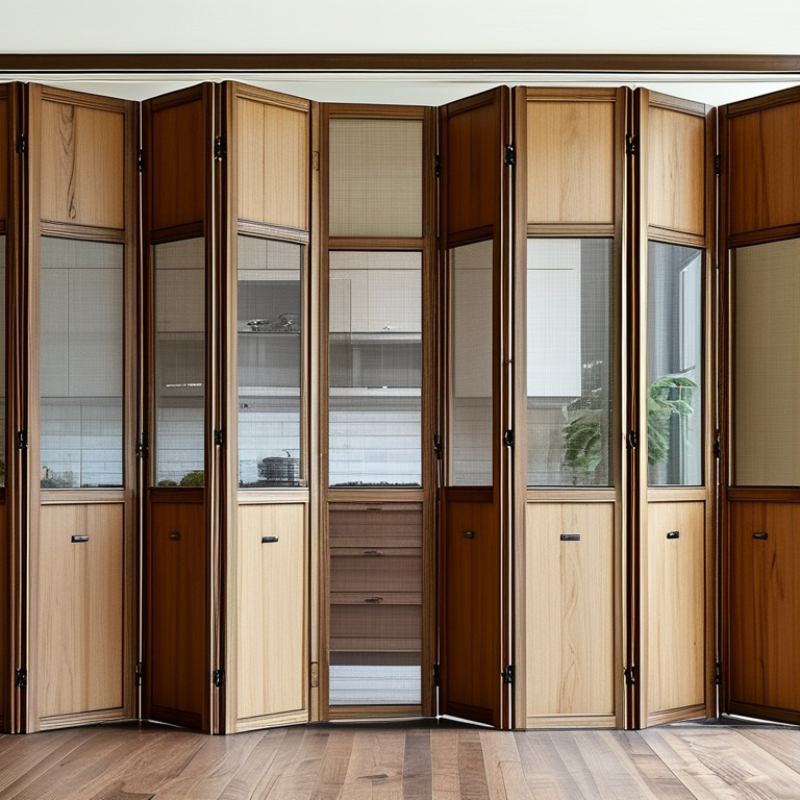
Folding doors come in various styles, each with unique features and benefits. Bi-fold doors are popular for their flexibility and spaciousness. They open up living areas, providing a seamless transition between indoors and outdoors. Their hinged panels fold neatly to the side, perfect for decks or patios. However, some users note the need for adequate wall space to operate them effectively.
Accordion doors are another option. They function similarly, collapsing to one side. These doors often take up less space when opened, making them suitable for smaller areas. However, they may not provide as much insulation as bi-fold doors. Users should consider their specific needs regarding energy efficiency and aesthetics.
Finally, consider the material. Wood offers warmth and charm, while aluminum ensures durability and minimal maintenance. Glass panels can enhance natural light but might require more upkeep. Each choice has its pros and cons. It's crucial to assess your space, style preferences, and practical requirements before making a decision. Reflecting on these factors can lead to a well-informed choice that complements your environment.
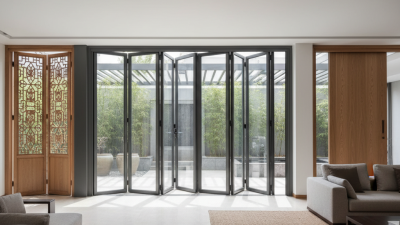
Choosing the right material for your folding door is crucial. Durability and aesthetics go hand in hand. Wood, aluminum, and vinyl are popular options, each with unique benefits. Wood offers a classic, warm look but requires regular maintenance. It may warp or fade over time, so consider your climate. Aluminum is strong and resistant to rust, making it a practical choice for modern spaces. However, it can feel cold or industrial to some.
Vinyl is lightweight and energy-efficient. It resists moisture, making it ideal for humid areas. Yet, its aesthetic appeal might not satisfy everyone. Exploring composite materials could be worth it, as they combine benefits without compromising appearance.
Reflect on your space and design needs. Visualize how each material aligns with your overall style. Consider the longevity of the materials as well. Will they maintain their appearance and function after years of use? Engage with various samples before deciding. Each choice has its trade-offs, making it essential to weigh the pros and cons carefully.
When choosing a folding door, measuring your space accurately is crucial. Correct measurements provide a better fit, enhancing both aesthetics and functionality. Research from the Home Improvement Research Institute highlights that improper measurements account for 25% of installation issues. Ensuring that you take precise dimensions helps avoid costly mistakes.
Start by measuring the width and height of the opening. It’s vital to account for any floor unevenness. Use a level to ensure your measurements are accurate. Many professionals recommend allowing a half-inch of clearance for proper operation. This small detail can significantly impact how smoothly the doors function.
Don’t overlook any potential obstructions. Consider ceiling fixtures, wall edges, and furniture placement. A report by the American Institute of Architects notes that poor space planning can lead to as much as 30% wasted area. Reflect on how light and movement may be affected by the new doors. Taking the time for thorough measurements ensures more than just a good fit—it guarantees a seamless integration into your living space.
When selecting a folding door, style plays a crucial role in your interior design. A well-chosen door enhances aesthetics, making a space feel cohesive and inviting. For a modern feel, consider sleek, minimalist designs with clean lines. They complement contemporary spaces and create an open, airy atmosphere. Alternatively, a rustic version can add warmth and charm, perfect for traditional or farmhouse settings.
Materials are equally important. Wooden folding doors offer natural beauty but may require maintenance. Metal doors are durable and blend well with industrial themes. Think about your local climate, too. Humidity can warp wood, while metal might not provide the insulation you need. Finding the right balance can be trickier than expected. Test potential options in your space to see how they interact with light and color.
A folding door must also fit your lifestyle. If you have kids or pets, durability is essential. Lastly, prepare for changes in your space. You might be thrilled with a design but realize it doesn’t function well over time. Reflecting on these aspects will help ensure your choice not only looks good but also lives well.
When considering a folding door for your space, budget and installation costs are crucial factors. Folding doors vary greatly in price. You might find options ranging from affordable to high-end models. Assess your budget early to narrow down your choices. This can prevent overspending and lead to more thoughtful decisions.
Installation costs can also vary. Hiring a professional ensures a seamless fit, but it can be pricey. Some homeowners choose to install the doors themselves to save money. However, this might lead to mistakes. Research installation guides carefully to avoid costly errors. It's important to weigh the pros and cons of DIY versus hiring an expert.
Think about quality vs. cost. A lower price may mean lower quality. Sometimes, spending a bit more can lead to a better long-term investment. Doors that are easier to operate can enhance your space significantly. Reflect on how often you'll use them. Your experience with the door’s functionality should inform your final choices.