How Smart Windows Enhance Energy Efficiency in 2026?
In 2026, energy efficiency has become a cornerstone of smart building design. "Smart Windows" are leading this transformation. According to Dr. Emily Carter, a prominent expert in sustainable architecture, "Smart Windows adapt to the environment, ensuring maximum comfort and minimum energy use." This innovation is crucial in reducing energy consumption for heating and cooling.
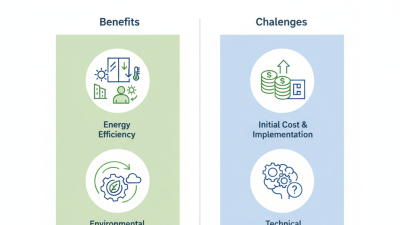
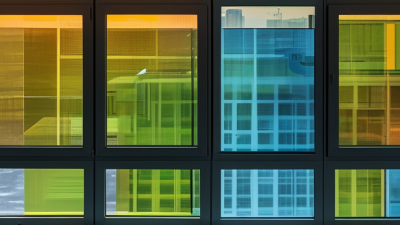
Smart Windows utilize advanced technologies such as electrochromic glazing, which changes the tint in response to sunlight. This capability drastically minimizes reliance on artificial lighting and HVAC systems. In urban settings, where energy demands soar, the impact of Smart Windows becomes even clearer. They offer tangible energy savings and enhance occupant comfort. However, the adoption of these technologies faces challenges, including installation costs and integration with existing structures.
While the benefits of Smart Windows are evident, there are ongoing debates about their long-term performance and maintenance. Continued research and development are essential to address these concerns. As we look to the future, Smart Windows could redefine energy efficiency in buildings, yet we must critically evaluate their efficacy and sustainability over time.
The Rise of Smart Windows: A 2026 Overview of Energy Efficiency Technologies
Smart windows are revolutionizing energy efficiency as we navigate through 2026. These advanced windows utilize innovative technologies to self-regulate temperature and light transmission. The result? Increased comfort in homes and commercial buildings, while reducing energy consumption. They adjust automatically to changing weather, keeping interiors cooler in summer and warmer in winter.
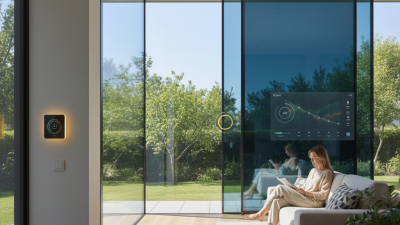
This year, we see a surge in the adoption of electrochromic glass. It allows users to control the tint with a simple switch or app. This technology lowers the need for heating and air conditioning. Additionally, some smart windows now incorporate photovoltaic cells. They generate energy while providing insulation. However, these solutions can be costly. Installation requires expertise, and some systems may not fit every building style.
Despite their benefits, smart windows come with challenges. Regular maintenance is crucial to maintain their efficiency. Moreover, the initial investment can be daunting for homeowners or small businesses. Ultimately, the potential for energy savings must be weighed against these hurdles. As smart window technology evolves, the focus will remain on improving accessibility and efficiency for all users.
Key Features of Smart Windows Driving Energy Savings and Sustainability
Smart windows are revolutionizing energy efficiency. By 2026, these advanced technologies can significantly reduce energy costs in residential and commercial buildings. According to a report from the U.S. Department of Energy, buildings account for 40% of total energy consumption. Integrating smart windows can decrease this figure substantially.
Key features of smart windows include electrochromic technology and thermochromic coatings.
Electrochromic windows adjust tint based on sunlight, drastically reducing cooling costs. They can lower energy use by up to 30% on hot days, according to recent studies. Thermochromic windows respond to temperature changes, providing natural insulation. This minimizes heating needs during cold months.
However, challenges remain. Installation costs can be high, and long-term savings may vary. Some users report dissatisfaction with the aesthetic changes in their spaces. Learning from early adopters is essential as they navigate these hurdles. Continuous research is needed to refine these technologies. As the demand for sustainability grows, the adoption of smart windows will likely increase, but careful consideration is necessary for each application.
Market Trends: Adoption Rates of Smart Windows in Various Industries by 2026
The adoption of smart windows across various industries is on the rise, with a projected growth rate of 25% by 2026. These advanced systems can adjust their tint based on sunlight exposure, effectively managing heat and light. A recent report from the Global Energy Efficiency Institute noted that smart windows could reduce energy consumption in commercial buildings by up to 30%. This data highlights how industries are increasingly recognizing the potential for energy cost savings.
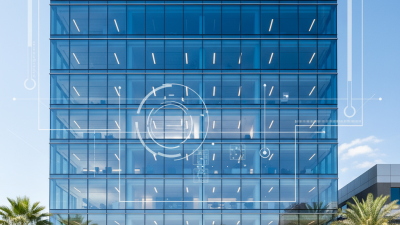
In the architectural sector, smart windows are becoming more popular for their aesthetic flexibility and energy efficiency. Hotels and office buildings are leading the charge, showing adoption rates that outpace the residential market. Analysts expect that by 2026, over 40% of new commercial structures will feature smart window technology. However, implementing these systems poses challenges. High upfront costs and lack of industry knowledge can deter some companies.
Additionally, while the benefits are clear, the technology is not perfect. Transitioning to smart windows requires careful planning and may necessitate retrofitting existing structures. Businesses are still evaluating return on investment effectively. Some projects may fail to deliver expected energy savings if not executed properly. This reflects a need for ongoing education and expertise in energy-efficient design.
Energy Consumption Data: Quantifying the Impact of Smart Windows on Buildings
In recent years, smart windows have emerged as a game-changer in enhancing energy efficiency in buildings. According to a report by the American Solar Energy Society, up to 70% of a building's energy consumption can be attributed to heating and cooling. Smart windows offer a solution by adjusting their tint according to sunlight exposure, significantly reducing reliance on HVAC systems. This technology can lead to energy savings of up to 20% annually.
Additionally, research from the Lawrence Berkeley National Laboratory highlights that buildings using dynamic glazing can reduce peak cooling demand by up to 25%. This reduction not only cuts energy costs but also helps in lowering greenhouse gas emissions. However, the initial installation cost of smart windows can be a barrier for many developers. Moreover, the actual performance can depend on various factors, including building design and orientation, which can lead to discrepancies in expected savings.
While smart windows revolutionize energy efficiency, their implementation requires careful consideration. Factors like local climate, building usage, and occupant behavior play a crucial role in realizing their benefits. A nuanced understanding of these elements is essential to maximize the potential of smart window technology.
Future Innovations: Predictions for Smart Windows and Energy Performance Enhancements
In 2026, smart windows are set to revolutionize energy efficiency. Advances in technology promise a leap in performance. According to a 2023 report from the International Energy Agency, smart windows can reduce energy consumption by up to 30% in commercial buildings. This reduction is vital as global energy demands rise.
Future innovations focus on integrating advanced materials and sensors. New window coatings can respond to sunlight, adjusting their tint automatically. This adaptability can maintain indoor temperatures, reducing the need for heating and cooling systems. A study by the U.S. Department of Energy forecasts that widespread adoption of such technology could lower overall building energy use by 20 billion kWh annually by 2030.
While these projections are promising, there are challenges. The initial cost of installing smart windows remains high. Many consumers hesitate due to uncertain long-term savings. It’s essential to consider maintenance and potential degradation of technology over time. As we innovate, it’s crucial to balance efficiency with affordability and reliability.
How Smart Windows Enhance Energy Efficiency in 2026?
| Year |
Window Type |
Energy Saving (%) |
Cost Reduction ($/square foot) |
Market Adoption Rate (%) |
| 2026 |
Smart Tinted |
35 |
$8 |
45 |
| 2026 |
Electrochromatic |
40 |
$10 |
30 |
| 2026 |
Photochromatic |
30 |
$7 |
35 |
| 2026 |
Adaptive Glazing |
38 |
$9 |
50 |