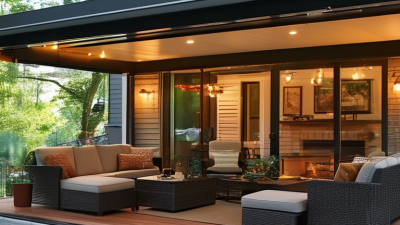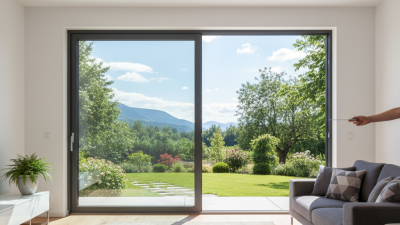
Choosing a Sliding Window supplier is not simply a matter of comparing catalog prices. Global buyers must examine thermal performance, frame strength, glass configuration, drainage design, hardware quality, and installation support. A supplier may offer an attractive quotation, yet provide limited technical drawings or unclear warranty terms. Small details matter. A weak roller can affect daily comfort, especially in coastal or high-use buildings.
Building-science expert Joseph Lstiburek has emphasized, “A window is a hole in the wall.” This simple observation remains highly practical. The selected Sliding Window must control air, water, heat, and noise while fitting the surrounding wall system. Reliable suppliers should explain U-values, solar heat gain, wind-load testing, material options, and applicable performance standards. They should also provide realistic production schedules, export packaging details, replacement-part policies, and responsive after-sales communication.
This guide reviews ten Sliding Window suppliers serving international buyers. The evaluation considers manufacturing experience, product consistency, customization ability, documented testing, project references, and logistics capability. It also considers whether a supplier can support architects, contractors, distributors, and private-label customers. No ranking is perfect. Regional climate, project scale, budget, and local installation skills can change the final choice. That is worth admitting. A technically advanced window can still perform poorly when measured incorrectly or installed without proper sealing. Buyers should request samples, verify certifications, inspect finish quality, and confirm every specification before placing an order. The strongest supplier is not always the largest. It is the one that communicates clearly and delivers dependable performance from factory to building.

Sliding windows are not one product category. A two-panel window suits compact rooms, while a three-track design offers a wider opening. Lift-and-slide systems support heavier glass and smoother movement. Define the use before contacting suppliers. Details matter here. Record the clear opening, frame depth, drainage direction, screen position, and required ventilation.
Material choice affects durability, thermal performance, and maintenance. Aluminum provides strong, slim frames, but standard profiles can conduct heat quickly. Thermal-break aluminum performs better in demanding climates. uPVC offers useful insulation and simple maintenance, while treated wood creates a warmer appearance but needs regular care. Composite frames may balance strength and insulation. Specify glass thickness, low-emissivity coating, glazing gas, hardware grade, and seal type. A low quote can look attractive. It may hide weaker rollers or thin wall sections.
Global buyers should ask suppliers for tested air, water, wind, and thermal data. Request drawings with metric dimensions, tolerances, packing methods, and replacement-part details. Confirm whether testing matches the destination market, because requirements vary by climate and building use. Container loading deserves attention; poorly protected corners can arrive damaged after a long voyage. Lead time should include production, inspection, export documents, and port handling. Certifications help, but they do not replace clear specifications. In practical sourcing reviews, the weakest detail is often the installation guide. That is worth questioning before payment.
| Rank | Anonymous Supplier Profile | Primary Sliding Window Types | Common Frame Materials | Thermal Construction | Glazing Options | Typical Project Fit | Common Buyer Documentation | Typical Lead Time | Ordering Pattern |
|---|---|---|---|---|---|---|---|---|---|
| 1 | Profile A — High-volume export manufacturer | Two-panel, three-panel, lift-and-slide | Aluminum; thermally broken aluminum; uPVC | Polyamide thermal barrier or multi-chamber uPVC profiles | Single, double, and low-E insulated glass units | Residential developments and standardized commercial projects | Technical drawings, packing list, commercial invoice, test reports, installation instructions | 6–10 weeks | Container or project-based orders |
| 2 | Profile B — Premium architectural systems supplier | Lift-and-slide, panoramic, corner-opening systems | Thermally broken aluminum | Insulated frame chambers with continuous thermal breaks | Double or triple low-E glazing; laminated safety glass | Luxury homes, hotels, villas, and high-end façades | Structural calculations, thermal data, water and air test reports, fabrication drawings | 8–14 weeks | Made-to-order project fabrication |
| 3 | Profile C — uPVC energy-efficiency specialist | Horizontal sliding, tilt-and-slide, multi-track sliding | Multi-chamber uPVC; optional aluminum reinforcement | Multi-chamber profiles with steel reinforcement where required | Double glazing; argon-filled low-E units; laminated options | Cold, temperate, and noise-sensitive residential markets | U-value calculations, air-permeability data, weatherproofing reports, care guides | 5–9 weeks | Standard sizes plus custom batches |
| 4 | Profile D — Coastal and high-humidity supplier | Impact-rated sliding, standard two-panel, reinforced multi-track | Powder-coated aluminum; uPVC; stainless hardware combinations | Thermally broken or reinforced profiles with sealed drainage paths | Laminated safety glass, insulated glass, solar-control glass | Coastal housing, resorts, humid climates, and cyclone-sensitive regions | Salt-spray information, impact test reports where applicable, corrosion specifications, drainage details | 7–12 weeks | Project orders with hardware schedules |
| 5 | Profile E — Thermally efficient timber-aluminum supplier | Lift-and-slide, timber sliding, hybrid sliding doors | Engineered timber with exterior aluminum cladding | Insulated timber cores and ventilated or clipped exterior cladding | Double or triple glazing; acoustic and solar-control specifications | Eco-focused residential construction and premium renovation projects | Timber sourcing information, coating data, thermal calculations, care and maintenance documents | 10–16 weeks | Low-volume, highly customized orders |
| 6 | Profile F — Commercial façade and large-opening supplier | Large-format sliding, lift-and-slide, automatic sliding systems | Heavy-duty thermally broken aluminum | Deep profiles, reinforced rollers, pressure-equalized drainage | Insulating glass, laminated glass, low-E, and solar-control glass | Office buildings, retail spaces, hotels, and public facilities | Shop drawings, load calculations, performance testing, method statements, spare-parts lists | 10–18 weeks | Contractor and façade-package procurement |
| 7 | Profile G — Mid-market aluminum window supplier | Standard horizontal sliding, three-track, fixed-plus-sliding combinations | Non-thermally broken and thermally improved aluminum | Basic insulated profiles or thermal isolator inserts depending on specification | Single glass and double insulated glass units | Budget housing, apartment projects, and replacement windows | Size schedule, color chart, hardware list, packing documentation, basic test data | 4–8 weeks | Bulk standard-size orders |
| 8 | Profile H — Noise-control and urban renovation supplier | Acoustic sliding, secondary sliding, tilt-and-slide | uPVC; thermally broken aluminum; composite frames | Multi-chamber frames with compression seals and insulated spacers | Asymmetric laminated acoustic glass and insulated glass units | City apartments, schools, hotels, and transport-adjacent buildings | Acoustic test reports, decibel ratings, installation tolerances, ventilation details | 6–11 weeks | Survey-based replacement or renovation orders |
| 9 | Profile I — Sustainable and recyclable-material supplier | Standard sliding, lift-and-slide, modular sliding units | Recyclable aluminum; recycled-content uPVC where specified | Thermally broken aluminum or multi-chamber uPVC systems | Low-E double glazing; triple glazing for higher insulation requirements | Green-building projects and developments requiring material declarations | Environmental product information, recycled-content declarations, material safety data, thermal calculations | 7–13 weeks | Specification-led project procurement |
| 10 | Profile J — Custom private-label and OEM supplier | Horizontal sliding, lift-and-slide, folding-sliding combinations | Aluminum, uPVC, timber, and hybrid frames | Configuration selected according to climate, cost, and target performance | Single, double, triple, low-E, laminated, tempered, and solar-control glazing | Importers, distributors, developers, and private-label programs | Private-label packaging, technical drawings, compliance files, inspection records, spare-parts documentation | 8–15 weeks | MOQ and repeat-order programs |
Buyer note: Lead times are typical industry ranges for approved, made-to-order sliding window projects and can change according to quantity, glazing availability, customization, inspection requirements, shipping schedule, and destination-country regulations. Buyers should verify local requirements for thermal transmittance, air leakage, water penetration, wind resistance, safety glazing, fire performance, and installation compliance before placing an order.

When comparing the 10 best sliding window suppliers, global buyers need measurable benchmarks, not polished brochures. U-factor measures heat flow through the complete window. Lower values usually indicate better insulation. The U.S. Department of Energy reports that windows can cause 25–30% of residential heating and cooling energy use. That makes accurate ratings commercially important. Ask suppliers for NFRC-certified U-factor values, not center-of-glass claims. ENERGY STAR criteria commonly use a maximum U-factor of 0.27, although climate zones require different targets.
Air leakage deserves equal attention. ASTM E283 measures airflow through window joints under a stated pressure difference. Lower leakage improves comfort and reduces drafts. A common ENERGY STAR benchmark is 0.3 cubic feet per minute per square foot or lower. ASTM E331 evaluates resistance to water penetration during simulated wind-driven rain. It does not create one universal pass level. Project exposure, building height, and local rainfall should guide acceptance criteria.
Tips: Request full test reports, specimen sizes, pressure levels, and laboratory dates. Check whether results apply to the finished sliding unit, including rollers, locks, and screens. A supplier may quote excellent U-factor performance while omitting weak air-leakage data. I would also inspect corner joints and drainage paths during sampling. Numbers can look precise. Installation can still change them. Industry standards help, but site verification remains necessary.
A reliable shortlist should measure capacity, certifications, minimum order quantity, and lead time together. The ten profiled suppliers range from regional fabricators to large exporters with multiple extrusion and glass-processing lines. Capacity records should include monthly output, reserve production, and quality-control staffing, not only factory size. Real capacity matters.
Certification checks begin with valid ISO 9001 records, documented inspections, and traceable material batches. The ISO Survey 2022 recorded more than 1.2 million ISO 9001 certificates worldwide, so the certificate alone proves little. Buyers should verify scope, expiry dates, testing laboratories, and conformity requirements for each destination. Energy performance reports should identify U-values, air leakage, water resistance, and wind-load results. A supplier offering only generic certificates deserves caution.
MOQ and lead time reveal commercial practicality. Smaller suppliers may accept 20 to 50 sliding-window units, while high-volume factories often request container-level orders. Typical production takes 20 to 45 days after approved drawings; custom colors, laminated glass, and hardware can add 7 to 15 days. The World Bank’s 2023 Logistics Performance Index assesses 139 economies across customs, infrastructure, shipment quality, and timeliness, useful factors when comparing delivery promises. Still, published lead times can be optimistic. Request a pilot order, packing photos, and a written delay procedure. A ranking can mislead.
10 Best Sliding Window Suppliers for Global Buyers
When comparing ten sliding window suppliers, compliance should guide the shortlist. AAMA and WDMA references usually relate to North American window performance, testing, materials, and installation requirements. CSA standards are especially relevant for Canadian projects, where regional climate and safety expectations can differ. ISO 9001 is different. It evaluates quality-management processes, not the window’s thermal or structural performance. That distinction matters.
The ISO Survey 2022 recorded 1,265,216 ISO 9001 certificates worldwide, showing its broad value for international procurement. However, certification alone does not prove airtightness, water resistance, or wind-load performance. The International Energy Agency’s 2023 Buildings report estimates that buildings consume about 30% of global final energy. A supplier should therefore provide verified U-values, air-leakage results, water-penetration data, and tested structural loads. Ask for the exact standard edition, laboratory report, and product configuration. A brochure is not enough.
Tips: Request a compliance matrix before requesting prices. Match the test report to the actual frame, glass, hardware, and size. Check whether certificates cover production sites, not only headquarters. Site audits can reveal weak traceability, even when documents look polished. I would also confirm local code acceptance with the project consultant. AAMA, WDMA, CSA, and ISO 9001 are useful signals, but they do not replace project-specific engineering. Expect some gaps. Good sourcing includes correcting them early.
A serious supplier ranking must measure delivered value, not factory price. I would score total cost at 35%, logistics performance at 25%, warranty at 20%, and support at 20%.
Total cost includes tooling, packaging, inland transport, duties, installation guidance, and replacement parts. A low quotation can become expensive after port storage and damaged frames.
The World Bank’s Logistics Performance Index 2023 shows major gaps in customs, tracking, and delivery reliability across markets. That makes shipment visibility a practical buying criterion.
For sliding windows, request tested U-values, air-leakage results, water resistance, and hardware cycle data.
The U.S. Department of Energy reports that windows can represent 25–30% of residential heating and cooling energy use. Therefore, thermal performance deserves a measurable cost position.
Rank suppliers higher when their test reports match production samples, not only brochures. Warranty length matters, but exclusions matter more. Check coverage for seal failure, color fading, glass breakage, and hardware corrosion.
Support should include response time, spare-part availability, multilingual documents, and clear claim procedures.
UNCTAD’s Review of Maritime Transport highlights the continuing exposure of global trade to disruption and schedule uncertainty. Require a shipment milestone plan and a documented escalation contact.
This system is not perfect. Local installers may change the final result. Exchange rates can also distort rankings.
Still, a transparent scorecard exposes weak logistics and vague warranty promises before the purchase order. Real samples should be inspected before any large deposit.