Top 10 Sunshade Awning Tips for Effective Outdoor Protection?
When it comes to outdoor living spaces, a Sunshade Awning is essential for comfort and protection. According to the American Institute of Architects, properly installed awnings can reduce solar heat gain by up to 77%. This statistic highlights the importance of effective shading. A well-designed Sunshade Awning can enhance outdoor aesthetics while providing vital protection against UV rays.
However, not all sunshades are created equal. Poorly selected materials or improper installation can lead to disappointment. In fact, research from the Home Improvement Research Institute indicates that 30% of homeowners regret their choice of outdoor sun protection due to insufficient research. This emphasizes the need for informed decision-making when selecting the right Sunshade Awning.
Understanding the principles of design, material selection, and installation techniques will significantly impact the effectiveness of your awning. Balancing aesthetics with functionality can be challenging. By gaining insights from industry reports and expert opinions, homeowners can make more strategic choices for their outdoor spaces. Consider this a guide to making the most of your Sunshade Awning for optimal outdoor living.
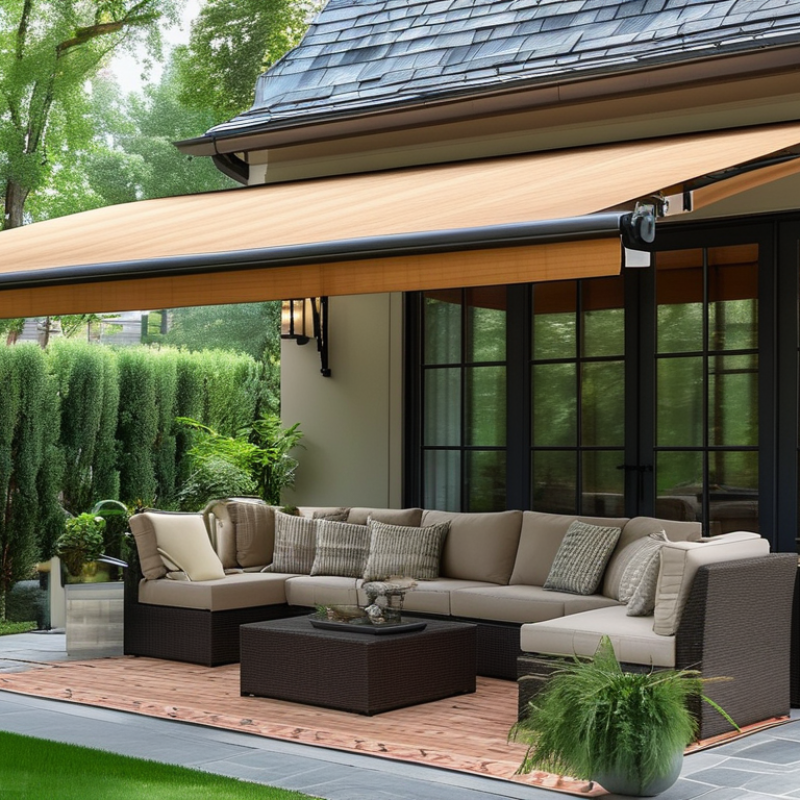
Choosing the Right Material for Your Sunshade Awning
Choosing the right material for your sunshade awning is crucial for effective outdoor protection. There are various materials available, each with unique properties. Fabric awnings are popular for their aesthetics. They provide a soft, inviting look. However, you need to consider weather resilience. Some fabrics can fade or tear quickly when exposed to harsh sunlight.
Another option is metal awnings. They are typically durable and resistant to weather elements. Yet, metal can heat up significantly in direct sunlight. This can create an uncomfortable atmosphere underneath. It's essential to weigh aesthetics against functionality. What looks good may not always perform well in your specific climate.
Think about your specific needs and environmental conditions. Tropical climates may require heavy-duty fabrics with UV protection. Cooler areas might benefit from lighter materials that still offer shade. Always research and consult experts if needed. Finding the right balance is key. Making informed choices will enhance your outdoor experience. It's a reminder that the best option may not always be the most obvious one.
Measuring Your Outdoor Space for the Perfect Fit
Measuring your outdoor space accurately is crucial for selecting the right sunshade awning. Start by determining the area where you'll install the awning. Use a tape measure to get the width and length of your outdoor space. Note the height as well, especially if there are structures nearby. This helps ensure that your awning provides sufficient coverage.
Consider the distance from walls or furniture. Leaving ample space avoids obstructions. Pay attention to the angle of the sun during different times of the day. This knowledge allows you to position the awning effectively. If measurements feel off, recheck them. It’s better to take extra time getting it right than ending up with a poorly fitting product. Every inch counts.
Account for any potential obstacles such as trees or poles. They can limit the sunshade's effectiveness. If you're unsure, consult with an expert. They can provide insights based on your specific environment. Getting it wrong can lead to regrets later. A perfect fit not only enhances comfort but also improves the aesthetics of your outdoor area.
Top 10 Sunshade Awning Tips for Effective Outdoor Protection
Understanding the Different Types of Sunshade Awnings
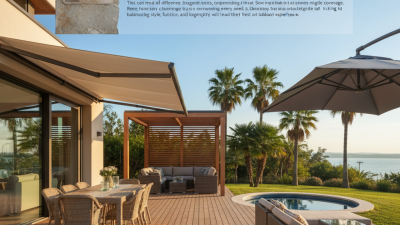
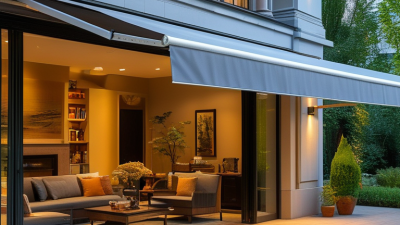
When considering outdoor protection, understanding the different types of sunshade awnings is crucial. Retractable awnings are quite popular for their versatility. They can be extended or retracted as needed, providing convenience. Reports indicate that awnings can block as much as 90% of solar heat. This efficiency gives homeowners a cool space without additional energy costs.
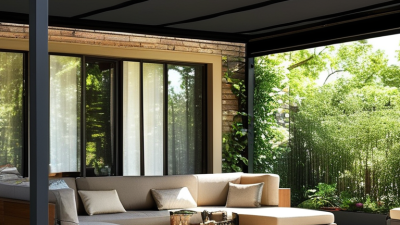
Stationary awnings also have significant advantages. They provide year-round protection against various weather elements. Research from the American Society of Heating, Refrigerating and Air-Conditioning Engineers suggests that these fixed structures can lower outdoor temperatures by creating shadow zones. However, they may require more maintenance, as constant exposure to the elements can lead to wear.
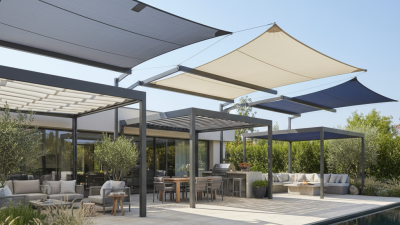
Another option is decorative shade sails, often chosen for aesthetics. They create unique outdoor spaces but may not offer as much coverage as traditional awnings. According to a survey by the International Shade and Shutter Association, aesthetic considerations influence 40% of consumer choices. While visually appealing, these sails may fall short in providing effective shade during peak sun hours. Evaluating your needs can lead to a well-informed choice, promoting a better outdoor experience.
Installation Tips for Longevity and Durability
When installing a sunshade awning, proper placement is essential for longevity. A recent report by the American Society of Landscape Architects highlights that 50% of awning failures stem from poor installation techniques. Consider positioning the awning at a slight angle. This helps with water runoff, preventing mold and mildew growth. Moist environments can deteriorate materials quickly, leading to costly repairs.
Materials matter. Choose high-quality fabrics that resist fading and tearing. According to the Industrial Fabrics Association International, awnings made from UV-resistant materials last significantly longer than those without protection. Regular maintenance is crucial too. Inspect your awning bi-annually to check for signs of wear or damage. Addressing minor issues early can extend the life of your awning substantially.
Consider using stainless steel hardware for installation. This reduces the likelihood of corrosion, especially in coastal areas. While this may seem like a higher upfront cost, the long-term savings are evident. An improperly installed awning can lead to serious structural issues. Investing time and resources in the installation will prove beneficial for years to come.
Maintenance Practices to Keep Your Awning in Top Shape
Maintaining your awning is crucial for ensuring its longevity and effectiveness. Regular cleaning can prevent dirt and mold buildup. Use a soft brush or cloth with mild soap and water. It’s essential to avoid harsh chemicals that might damage the fabric. Focus on both the top side and the underside of the awning. Removing leaves and debris regularly keeps it looking fresh.
Inspecting for damage is just as important. Check the fabric for tears or fraying. Examine the mechanical components, like the arms and motors. Addressing small issues immediately can prevent costly repairs later. It is wise to retract the awning during strong winds or heavy snow. It’s easy to overlook these details, but they make a significant difference in overall durability. Regular maintenance checks can save money in the long run and enhance usability.
Top 10 Sunshade Awning Tips for Effective Outdoor Protection
| Tip No. |
Tip |
Details |
| 1 |
Regular Cleaning |
Use mild soap and water to clean the awning regularly to prevent dirt accumulation. |
| 2 |
Check for Damage |
Inspect your awning for tears or damage and repair them promptly to avoid further issues. |
| 3 |
Avoid Heavy Winds |
Retract the awning during strong winds to prevent damage from flapping. |
| 4 |
Use Correct Installation |
Ensure that the awning is installed according to the manufacturer's guidelines for efficiency. |
| 5 |
Sun Protection Coating |
Consider applying a protective coating to enhance UV resistance. |
| 6 |
Proper Storage |
When not in use, store the awning properly to prevent damage from elements. |
| 7 |
Avoid Sharp Objects |
Ensure that sharp items are kept away from the awning to prevent punctures. |
| 8 |
Winter Care |
In winter, securely close your awning to prevent snow accumulation. |
| 9 |
Seasonal Checks |
Perform maintenance checks at the start of each season for optimal performance. |
| 10 |
Consult Professionals |
If in doubt, hire professionals for maintenance or repairs to ensure durability. |